
How to Control Your Emotions? A Yogi's Guide to Emotional Balance While Travelling

Updated: Oct 6, 2025

Traveling stirs up a whirlwind of emotions - excitement, anxiety, wonder, and sometimes overwhelming stress. As travelers seeking authentic experiences through yoga and mindfulness, understanding how to regulate our emotions becomes essential not just for our wellbeing, but for truly absorbing the transformative power of our journeys.
The Breath-Emotion Connection

The ancient yogic wisdom teaches us that emotions and breath are intrinsically linked. When we experience intense emotions - whether it's pre-flight anxiety, cultural overwhelm, or homesickness - our breathing pattern changes dramatically. Anxiety makes us breathe faster and shallower, while sadness can make our breath heavy and irregular.
This connection works both ways. While emotions affect our breath, we can also use conscious breathing to influence our emotional state. When you find yourself emotionally triggered during travel - perhaps dealing with delayed flights, language barriers, or unfamiliar customs - your breath becomes your most accessible tool for immediate relief.
Research shows that controlled breathing activates the parasympathetic nervous system, shifting us from fight-or-flight mode into a state of calm awareness. This physiological change doesn't just help us feel better; it actually rewires our brain's response to stress over time.
Understanding Your Brain's Emotional Centers
According to yogic philosophy, emotional regulation involves balancing the right and left brain hemispheres. The right brain governs our emotional responses, creativity, and relational thinking, while the left brain handles logic, analysis, and structured thinking.
When the right brain becomes overly active, we might find ourselves crying easily, getting angry over small frustrations, or constantly worrying about family back home even while exploring incredible destinations. Conversely, an overactive left brain can make us rigid, disconnected from the joy of travel, and overly focused on schedules and logistics.
Balanced brain function allows us to be emotionally present with our travel experiences while maintaining practical awareness. This balance enables us to fully appreciate a sunset in Jaipur while still remembering to book our next accommodation, or to feel homesick without letting it ruin our adventure.
Practical Breathing Techniques for Travelers
Nadi Shodhana (Alternate Nostril Breathing)
This powerful technique balances both brain hemispheres and creates emotional equilibrium. Perfect for hotel rooms, airport lounges, or peaceful outdoor spaces, this practice takes just 5-10 minutes.
Sit comfortably, close your right nostril with your thumb, and inhale through the left nostril. Then close the left nostril and exhale through the right. Continue alternating for several rounds. This technique is particularly effective for travel anxiety and jet lag recovery.
Deep Belly Breathing
When overwhelmed by cultural differences or travel stress, simple deep breathing immediately activates your relaxation response. Place one hand on your chest and another on your belly. Breathe so that your belly hand moves more than your chest hand.
4-7-8 Technique
Inhale for 4 counts, hold for 7, and exhale for 8. This extended exhale particularly calms the nervous system and is excellent for pre-flight anxiety or difficulty sleeping in new environments.
Meditation for Emotional Balance

Regular meditation practice creates lasting changes in brain structure, particularly in areas responsible for emotional regulation. Even 10 minutes of daily meditation during travel helps maintain emotional equilibrium.
Start with simple breath awareness meditation. Sit quietly and observe your natural breath without trying to change it. When emotions arise - whether excitement about tomorrow's adventure or anxiety about travel challenges - simply notice them without judgment and return attention to your breath.
Yoga Nidra or yogic sleep meditation is particularly beneficial for travelers dealing with jet lag and emotional overwhelm. This practice guides you into deep relaxation while maintaining conscious awareness, helping process the day's experiences and emotions.
Creating Emotional Resilience Through Movement
Yoga asanas (poses) directly impact emotional regulation by releasing physical tension that stores emotional stress. Simple poses like Child's Pose, Forward Fold, and gentle twists can be practiced in hotel rooms or outdoor spaces.
Morning yoga practice sets a positive emotional tone for the entire day, while evening practice helps process and release accumulated stress. Even five minutes of gentle stretching combined with conscious breathing creates noticeable emotional shifts.
Integration into Daily Travel
Emotional regulation isn't about suppressing feelings but creating space between stimulus and response. When facing travel challenges - missed connections, language misunderstandings, or cultural shock - take three deep breaths before reacting.
Create daily rituals that support emotional balance: morning breathing practice, mindful walking meditation while exploring new places, and evening gratitude reflection. These practices help maintain emotional equilibrium while remaining open to transformative travel experiences.
Remember, the goal isn't to eliminate emotions but to develop a healthy relationship with them. Your travel experiences become richer when you can feel deeply while maintaining inner stability, allowing both joy and challenges to contribute to your personal growth journey.
Through consistent practice of these ancient techniques, travelers can navigate emotional ups and downs with grace, making every journey not just an external adventure but an internal voyage toward greater self-understanding and emotional mastery. Perfect for All Travelers
Whether you're a solo traveler seeking inner peace, couples wanting to share a meaningful experience, or families introducing children to yoga, sessions can be customized accordingly. The practice is suitable for ages 18-50 and requires only moderate physical fitness.
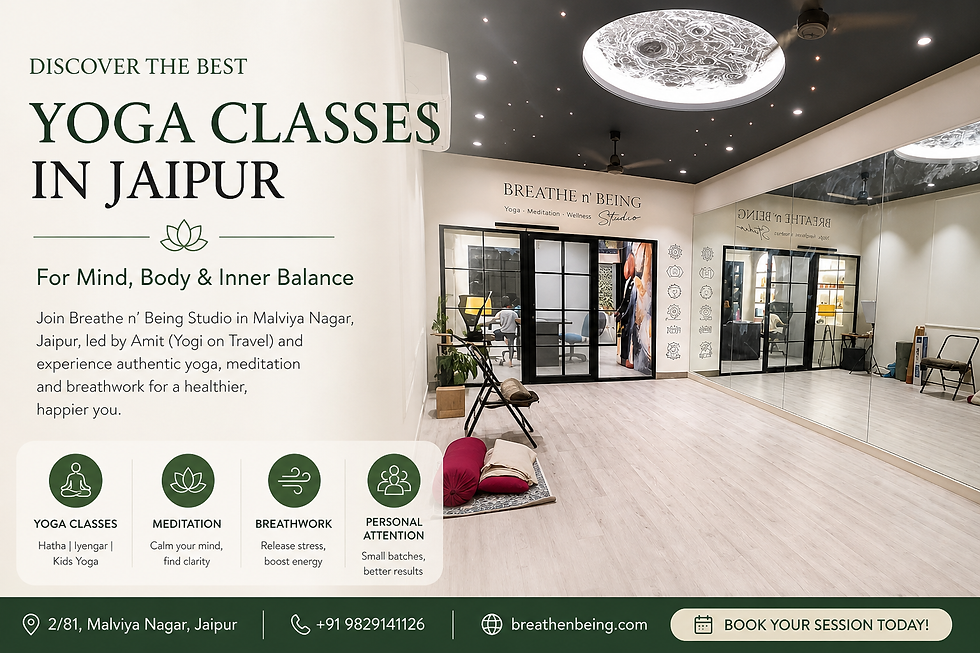
Don't wait to enhance your Jaipur journey with authentic yoga and Meditation experience. Contact Yogi on Travel at +919829141126 (Amit Khemka) today to discuss your personalized session and create lasting memories that blend wellness with cultural exploration in the Pink City.
Your transformative yoga journey in Jaipur is just one phone call away!

Comments